


Rebranding is thrilling—but let’s be honest, it can also be a little nerve-racking. Yes, it opens the door to growth, relevance, and competitive edge. But the question that keeps many of our clients up at night is this: What if our existing customers don’t come with us?
At Truss Creative, this is exactly the challenge we help solve. Whether you’re considering a name change, a new visual identity, evolving your brand voice, or repositioning in the market, we’re here to help you rebrand without losing the customers who helped you get where you are.
Why brands rebrand—and why customers sometimes resist
Most of the rebrands we work on are driven by growth. A company’s offerings evolve, their audience shifts, or they need to stand out in an increasingly crowded space. But even when those changes make perfect business sense, customers can feel caught off guard—especially if they have an emotional connection to your existing logo, tagline, or tone of voice.
We explain it like this: rebranding is like moving into a new home. You’re upgrading, but you still want your friends to feel welcome when they walk through the door. That means evolving in a way that brings your audience along, not leaves them behind.
3 brands that got the transition right
Airbnb: From startup to global lifestyle brand
When Airbnb rolled out its new “Bélo” logo in 2014, it was more than a design refresh—it was a declaration of purpose: belonging anywhere. The abstract symbol drew mixed reactions at first, but because the company was transparent about why it changed, the message landed—and customers embraced it.
Mailchimp: Playful meets professional
Mailchimp’s 2018 rebrand marked a shift from quirky email tool to full-service marketing platform. They kept their cheeky tone and signature monkey (with a facelift), while elevating their design system to appeal to a broader, more mature audience. The result? They leveled up without losing their brand soul.
Dunkin’: Dropping “Donuts,” not customers
In 2019, Dunkin’ streamlined its name and focused on its beverage-forward future. The move was bold, but they did it right—keeping their iconic colors, typography, and brand personality while signaling a fresh chapter.
Our playbook: how to rebrand without losing loyal customers
1. Start with the “why”
Every successful rebrand starts with a clear purpose. Are you expanding into new markets? Reaching a new customer segment? Updating how your brand reflects what you actually do? If your audience understands the reason behind the shift, they’re much more likely to come with you.
Pro tip: We always recommend including your internal team and a few loyal customers early in the process. When people feel heard, they’re more likely to support—and advocate for—what comes next.
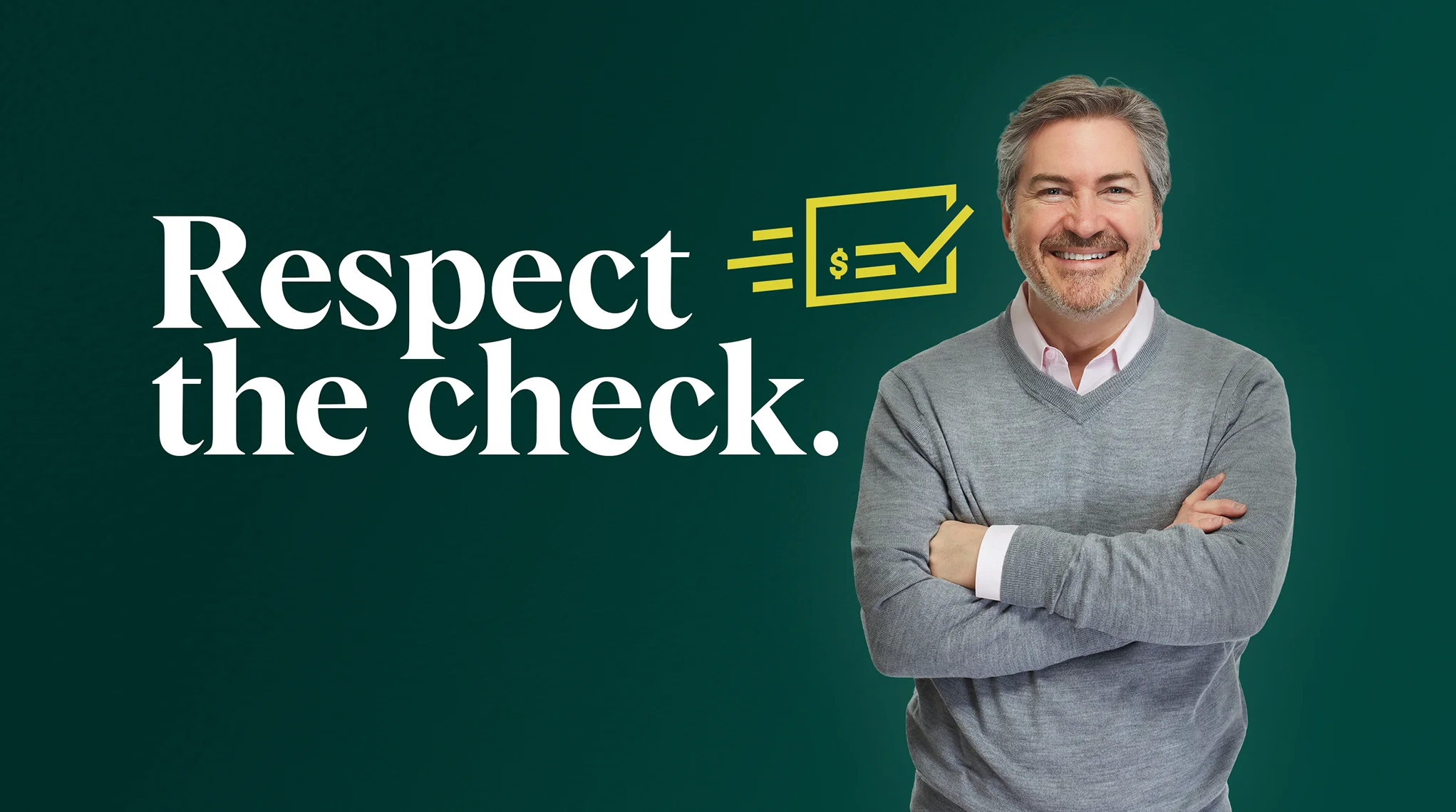
Example: Checkrun
We worked with Checkrun, a secure mobile check payment app built by a trusted enterprise developer. The brand had solid bones but needed a bold new identity to stand out in a saturated QuickBooks-compatible marketplace. We created a visual identity and messaging platform that felt fresh but familiar—balancing change with continuity. The result? A rebrand that resonated with new users and loyal early adopters.
2. Audit what’s working—then protect it
Before changing anything, we help clients take stock of what’s already working. What elements do your customers consistently recognize or love about your brand? Your color palette? Your tagline? Your tone of voice? That’s your brand DNA—and it’s worth protecting. You don’t have to start from scratch to evolve meaningfully.
3. Build a thoughtful rollout
Good rebrands aren’t just a moment—they’re a movement. We help clients plan phased rollouts that build anticipation and make space for conversation.
Your plan should include:
- Internal launch + employee training
- Customer communications
(email, social, website updates, sales collateral, swag, etc.) - Strategic partnerships or PR opportunities
- A feedback loop (and a plan to respond)
- Post-launch content strategy to keep momentum going
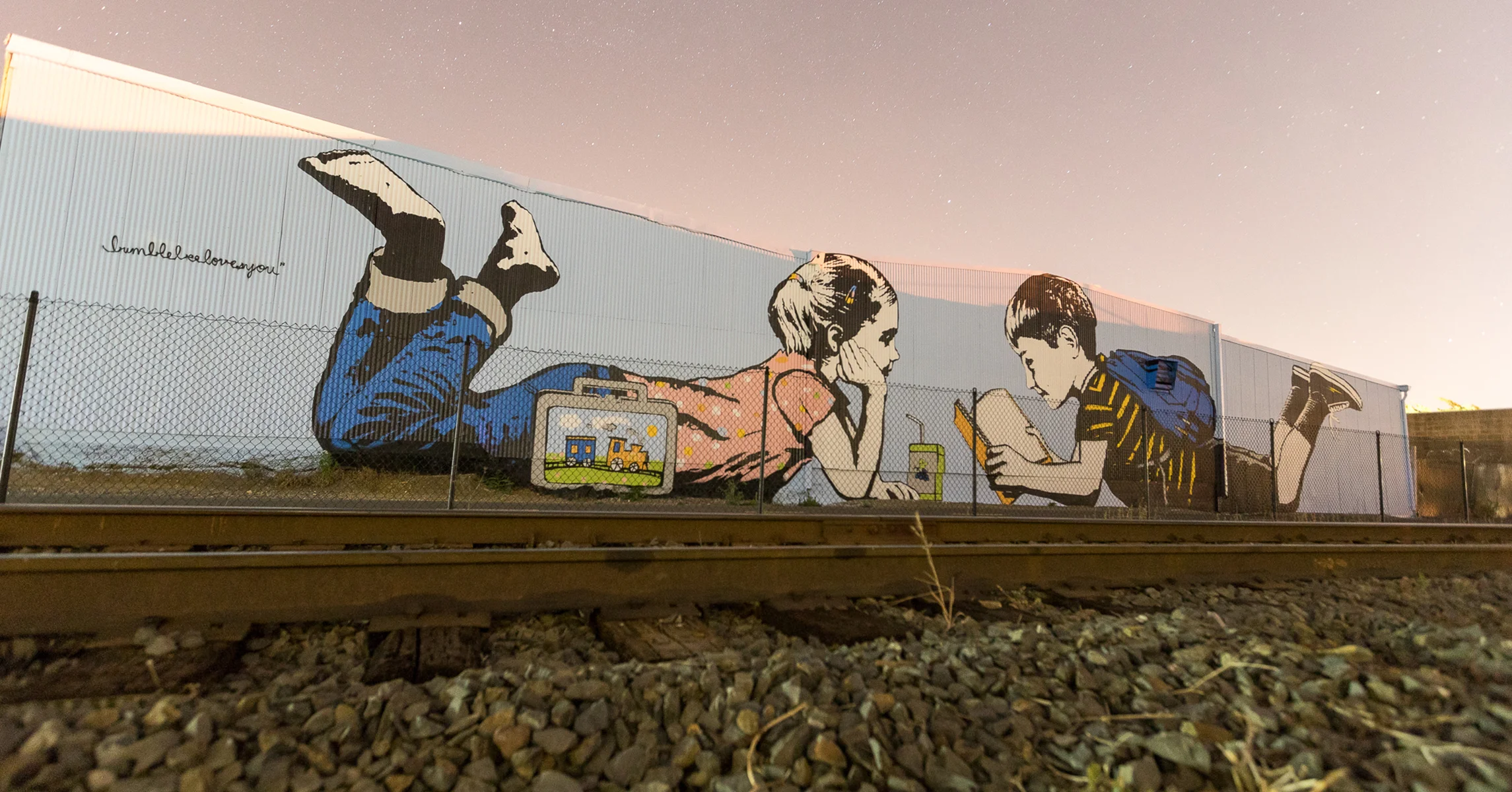
Example: RAD Napa
When we branded RAD Napa, a public art district in the heart of wine country, we knew we had to balance past and future. We created a vibrant identity that honored the local arts scene while inviting broader audiences to discover something new. Our launch plan brought the community along every step of the way.
4. Communicate like a human
Another rule we live by during rebrands is this: don’t just announce—tell the story. Share what’s changing, what’s staying, and why it matters. Your blog, emails, and social posts should feel like a conversation, not a press release. If your rebrand doesn’t enhance the customer experience, it risks feeling like empty theater.
5. Leverage your loyalists
Your most loyal customers are your biggest asset. Involve them early. Ask for their feedback. Offer a behind-the-scenes peek at the new brand before it goes live. When they feel like part of the process, they’ll be more excited to champion the end result.
Final thought: evolve without erasing
Rebranding isn’t about abandoning your past—it’s about building on it. When done right, a rebrand honors who you’ve been, reflects who you are, and makes space for who you’re becoming. And the customers who’ve been with you? They’ll still be right there beside you—proud to say they knew you before.
Ready to rebrand—without losing your loyalists?
At Truss Creative, we help brands evolve with clarity, confidence, and continuity. Whether you’re refreshing a visual identity, updating your brand voice, or repositioning in the market, we’ll help make sure the people who matter most stay with you as you grow.